In recent years, the carbon market has evolved from an environmental initiative into a strategic business opportunity. More companies, public institutions, non governmental organizations, and individuals are seeking to reduce their carbon footprint, whether to comply with regulatory requirements or as part of voluntary sustainability commitments. These efforts typically combine emissions reductions through operational improvements or technological innovation with the purchase of high quality carbon credits.
Market forecasts indicate that this trend will continue to accelerate. The global carbon credit market is projected to grow from approximately USD 11.9 billion in 2026 to nearly USD 35 billion by 2035. As demand continues to increase, organizations that act early will be better positioned to secure access to high integrity carbon credits and strengthen their long term sustainability strategies (Blaufelder et al., 2021).
If the market has been around for a couple of years, why buy carbon credits now?
1. Climate action is becoming increasingly valuable
Governments, investors, and consumers are demanding meaningful action to address climate change. Organizations that reduce and offset their emissions strengthen their reputation, improve their competitive position, and prepare for evolving regulatory expectations.
As more organizations pursue carbon neutrality and broader climate commitments, certified carbon credits are becoming an increasingly valuable asset.
2. High quality REDD+ carbon credits are a limited resource
Not all carbon credits deliver the same environmental and social value. Credits generated by REDD+ projects that reduce deforestation, protect biodiversity, and provide measurable benefits to Indigenous communities are among the most sought after in the voluntary carbon market. Developing and maintaining these projects requires compliance with rigorous technical, environmental, and social standards.
These projects are also subject to continuous review by certification bodies, market participants, and regulatory authorities to ensure transparency and environmental integrity. Projects that have demonstrated consistent, verifiable results over time have successfully met these requirements and therefore command greater credibility and value in the international market (Integrity Council for the Voluntary Carbon Market, 2023).
Certification standards are also advancing toward recognition under the Integrity Council for the Voluntary Carbon Market. The recent approval of several Colombian standards represents another important step toward demonstrating compliance with the Core Carbon Principles and further strengthening market confidence.
3. Early investment creates a competitive advantage
Organizations and individuals that purchase carbon credits today can secure availability, obtain more favorable market conditions, and demonstrate a genuine commitment to sustainability. Waiting until the market reaches its next phase of growth may result in higher prices and a more limited supply of high quality credits. Now is the time to support projects that deliver measurable environmental and social outcomes. Investing in initiatives that protect forests, preserve biodiversity, and improve the quality of life of local communities enables organizations to advance their sustainability objectives while creating lasting positive impact.
Human Forest: A Strategic Opportunity in Colombia
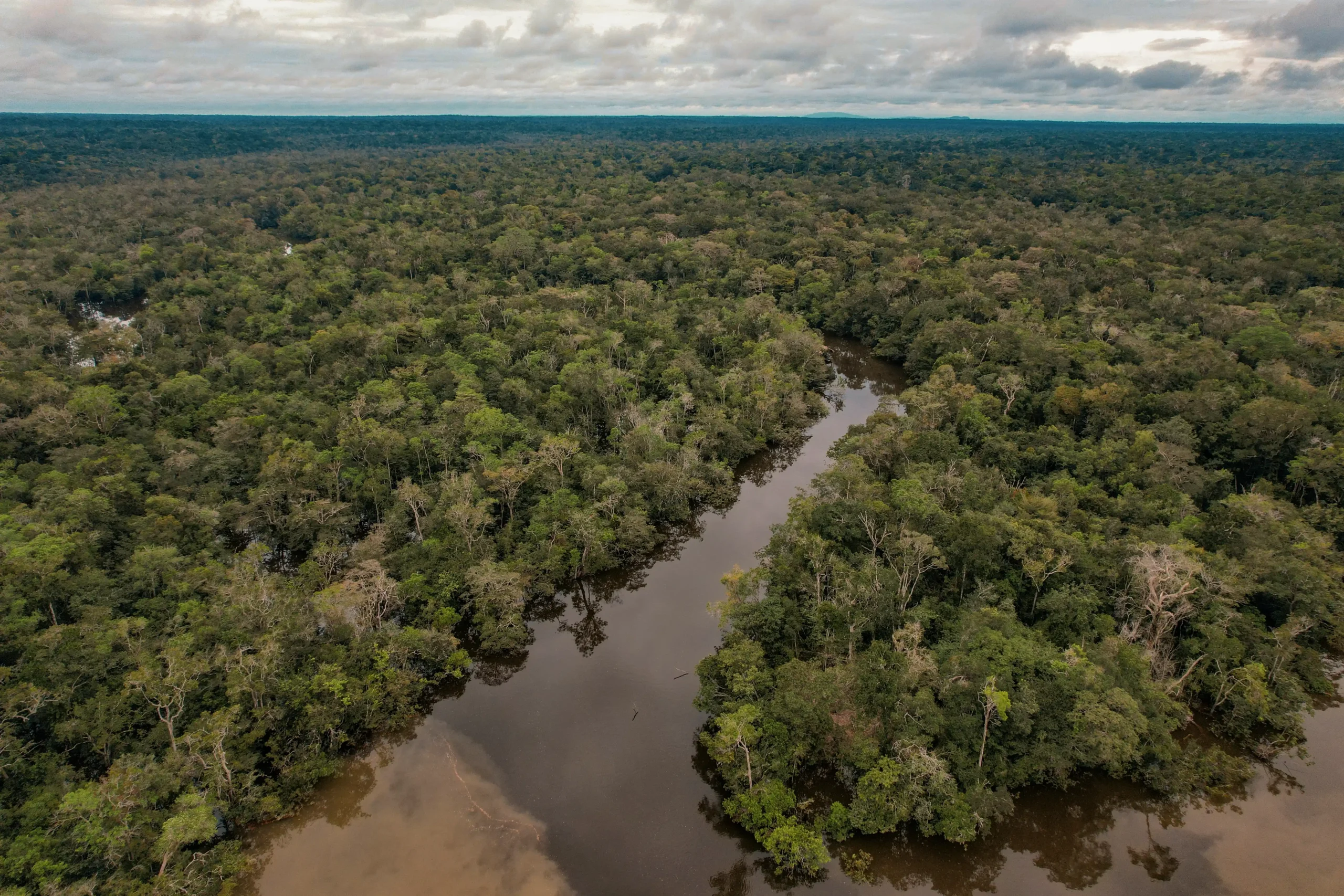
Human Forest develops REDD+ projects in Indigenous territories within the Colombian Amazon, where forest conservation supports the well being of 49 communities across the departments of Guainía and Vaupés.
Our projects strengthen Indigenous governance by supporting initiatives in education, healthcare, food security, community infrastructure, environmental monitoring, and the preservation of traditional leadership structures. At the same time, they promote sustainable land management and long term forest conservation as essential strategies for protecting biodiversity and addressing climate change.
Organizations that acquire carbon credits generated by these projects do more than offset a portion of their carbon footprint. They contribute directly to the sustainable development of the communities that protect one of the world’s most important ecosystems. This is an investment that delivers environmental, social, and cultural value while supporting the long term preservation of the Amazon.
The Best Time to Act Is Now
The voluntary carbon market is entering a new phase in which project quality, transparency, and credibility are becoming increasingly important. According to the Integrity Council for the Voluntary Carbon Market (ICVCM, 2025), market demand is shifting toward high integrity carbon credits generated by projects that demonstrate verifiable environmental and social outcomes and comply with rigorous transparency standards. Human Forest is actively engaged in this process as part of the ongoing development of its projects.
Organizations that invested early in credible, high quality projects have secured access to premium carbon credits while strengthening their sustainability strategies before competition for these assets intensifies. This is more than a carbon credit purchase. It is an investment in credibility, resilience, and long term strategic positioning within a market where climate leadership will continue to shape business performance.
Organizations that acted early gained a competitive advantage. Will your organization be one of them?
Cindy Romero
REDD+ Project Manager
REFERENCES
- Blaufelder, C., Levy, C., Mannion, P., & Pinner, D. (2021). A blueprint for scaling voluntary carbon markets to meet the climate challenge. McKinsey & Company. https://www.mckinsey.com/capabilities/sustainability/our-insights/a-blueprint-for-scaling-voluntary-carbon-markets-to-meet-the-climate-challenge
- Integrity Council for the Voluntary Carbon Market. (2023). Core Carbon Principles: Assessment Framework and Assessment Procedure. https://icvcm.org/core-carbon-principles/
- Integrity Council for the Voluntary Carbon Market. (2025). CCP Impact Report 2025. https://www.icvcm.org/engagement-impact/ccp-impact-report-2025/