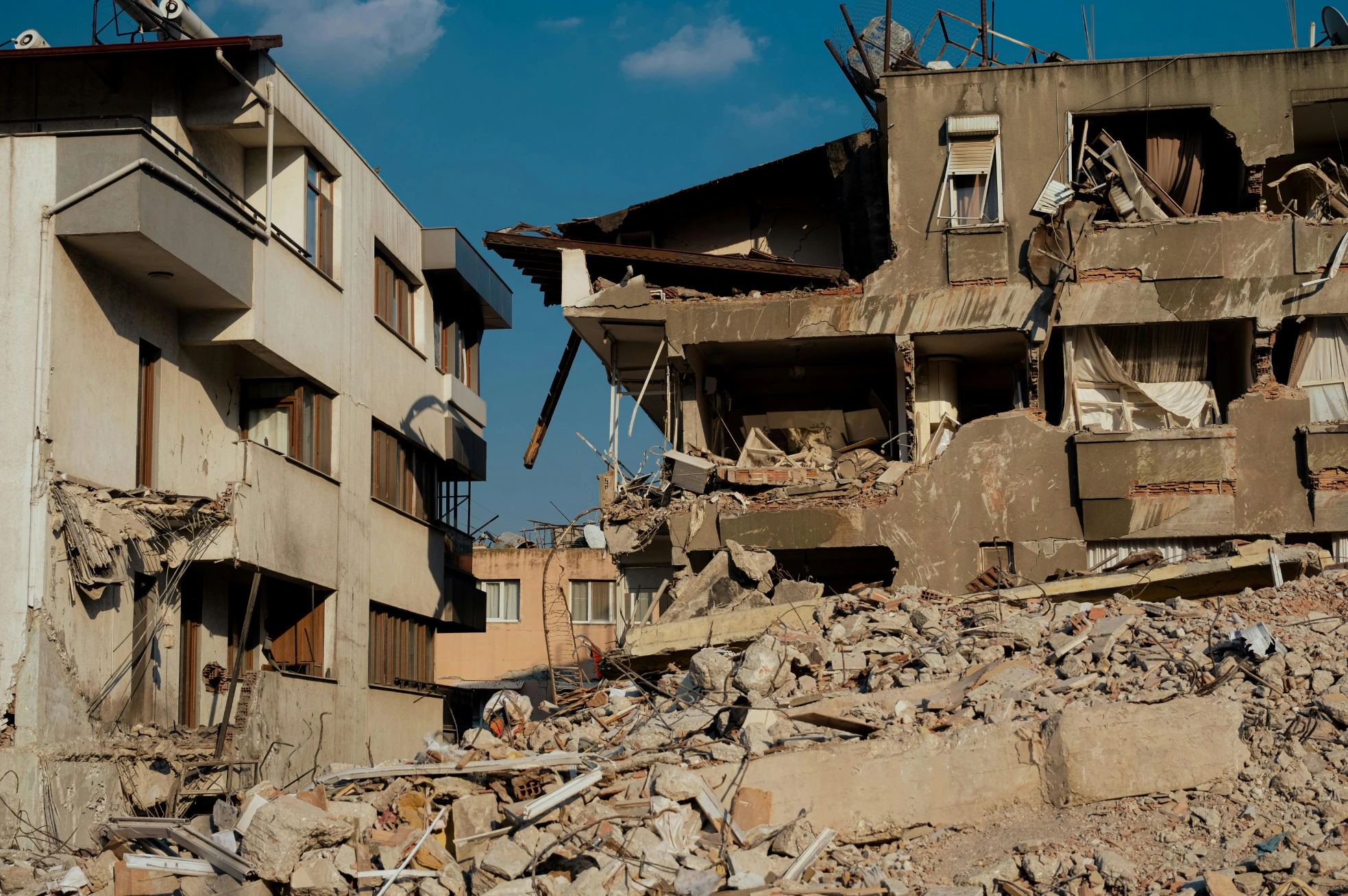
This document summarizes the key provisions of Decree No. 1261 of August 19, 2026, by which the National Government, exercising the powers granted under Article 215 of the Colombian Constitution and the Statutory Law on States of Exception (Law 137 of 1994), declared a State of Economic, Social and Ecological Emergency due to a serious public calamity affecting part of the national territory. The declaration followed the earthquake of August 10, 2026, which affected 15 departments across the country.
1. Declaration and Territorial Scope
The main purpose of Decree 1261 of August 19, 2026 is to declare a State of Economic, Social and Ecological Emergency in the departments of Antioquia, Caldas, Cauca, Chocó, Quindío, Cundinamarca, Risaralda, Huila, Valle del Cauca, Tolima, Putumayo, Norte de Santander, Bolívar, Nariño and Sucre for a period of 30 calendar days, in order to address the crisis and prevent the effects of the disaster from spreading.
Accordingly, the Decree provides that the relevant measures will be implemented through legislative decrees and will essentially cover the following areas:
- Humanitarian and social crisis response: Providing immediate assistance to the affected population through temporary shelters, essential services, financial assistance and housing reconstruction.
- Extraordinary mobilization of resources: Addressing the insufficiency of ordinary budgetary resources – including the depletion of the relevant FNGRD sub-account – by enabling loans from the FAE under the General Royalties System (Sistema General de Regalías), budget reallocations and expedited public borrowing.
- Economic recovery and financial relief: Granting powers to introduce tax, customs and foreign exchange exemptions or deferrals, as well as subsidized interest rates and employment subsidies.
- Expedited disposal of State-owned assets: Allowing the Sociedad de Activos Especiales (SAE) to rapidly sell FRISCO assets and allocate the proceeds to the emergency response, as well as to make properties available for collection centers and resettlement.
- Continuity of services and infrastructure: Restoring transportation, energy and water infrastructure and enabling flexible arrangements for the provision of education and justice services.
These measures are intended to address and overcome the disaster situation. Accordingly, the Decree provides for the following special measures:
2. Public Borrowing and Royalties:
The measures seek to simplify the procedures governing calls, approval and distribution of royalty resources under Law 2056 of 2020, which regulates the General Royalties System (Sistema General de Regalías), where such procedures prevent the immediate use of available funds. They also seek to streamline the special procedures established under Law 80 of 1993 that make it difficult to arrange public borrowing on an expedited basis. The objective is to secure resources in the short term to address the crisis and prevent its effects from spreading.3. Tax, Customs and Liquidity Measures
These measures are based on the express authority granted under Article 215 of the Colombian Constitution, which authorizes the President to amend existing taxes or introduce temporary taxes through legislative decrees.In customs matters, the measures modify the application of Decree 1165 of 2019 to provide greater flexibility in import procedures and assessment regimes. They also extend the Works for Taxes (Obras por Impuestos) mechanism established under Article 800-1 of the Colombian Tax Code (Estatuto Tributario), allowing private parties to participate in the reconstruction of affected areas through this mechanism, without exceeding the fiscal cap subject to CONFIS approval.
4. Financial Measures for Affected Persons and the Cooperative Sector
These measures are justified by the restrictions established under Law 454 of 1998, which provides the legal framework for the solidarity economy and generally prohibits savings and credit cooperatives from providing services to non-members. Special powers are therefore required to allow such cooperatives to temporarily extend their lending, deposit-taking and financial assistance activities to affected individuals who are not members. The Decree also provides for the creation of special funds aimed at financing and investing in reconstruction projects in the affected areas.5. Extraordinary Asset Management (SAE / FRISCO)
These measures are based on a temporary modification of Law 1708 of 2014 (Código de Extinción de Dominio – Asset Forfeiture Code). The modification allows the ordinary public auction and traditional procurement procedures applicable to FRISCO to be exceptionally waived and provides greater flexibility regarding guarantee and insurance requirements established under the rules governing the administration of State-owned assets.
6. Economic Protection and Employment
The Decree provides for temporary, geographically targeted and non-repayable assistance mechanisms for micro and small enterprises to help cover wages and contributions in respect of affected employees. It also provides for extraordinary financial transfers to self-employed workers affected by the disaster.
7. Justice and the Prison System
The Decree provides for the adoption of an exceptional and temporary regime for the nationwide distribution, redistribution or assignment of urgent matters, including constitutional protection actions (acciones de tutela), habeas corpus proceedings, applications for release, and matters at risk of being barred by statutes of limitation or other applicable deadlines. The regime is to be implemented by the Superior Council of the Judiciary (Consejo Superior de la Judicatura). The Decree also provides for the use of virtual means and the establishment of a fund for judicial infrastructure, with measures aimed at protecting persons deprived of liberty and custodial personnel in light of the crisis caused by the emergency.
8. Education
The Decree authorizes the use of alternative physical spaces and remote learning arrangements to ensure the continued provision of educational services, creating an exception to Article 138 of Law 115 of 1994. It also provides for budget reallocations and expedited contracting of mobile pedagogical and psychosocial support services.
9. Housing
The Decree provides for greater flexibility and broader coverage of the Family Housing Subsidy (Subsidio Familiar de Vivienda), as an exception to Law 3 of 1991 and Law 2079 of 2021. It also provides for land to be made available for resettlement and temporary accommodation, measures to protect against distortions in rental prices and construction material prices, special procedures for obtaining urban development permits, and potential adjustments to the Land Use Plans (Planes de Ordenamiento Territorial – POT) of the affected areas.
10. Telecommunications
The Decree provides for the temporary relaxation of existing mechanisms to facilitate access to infrastructure, network sharing and the deployment of technological solutions.